
admin
- 17 11 月, 2026
- 0 Comments
WebRTC Encoded Transforms for AI Avatar Calls: Key and Recovery Tests
Audit WebRTC encoded transforms for AI avatar calls, from media encryption boundaries and participant removal to worker recovery.
adminAudit WebRTC encoded transforms for AI avatar calls, from media encryption boundaries and participant removal to worker recovery.
 admin
How to reconcile interrupted AI media uploads without corrupting bytes, duplicating creator assets or ignoring authorization expiry.
 admin
A reproducible WebTransport engineering assessment for AI voice rather than an unmeasured promise of lower latency.
 admin
A six-stage engineering runbook for using Problem Details in AI chat APIs without leaking conversation data or inventing retry semantics.
 admin
Distinguish RFC 8305 dual-stack connection fallback from WebRTC media setup and streaming AI voice performance.
 admin
How to handle RFC 8470, TLS early data and 425 responses without duplicating AI chat turns, bills or tool calls.
 admin
Implement RFC 9530 Content-Digest and Repr-Digest safely for AI video uploads, media transformations and object storage.
 admin
HTTP/3 may improve some network paths for AI voice applications, but it does not turn an HTTP streaming endpoint into a real-time media engine. The engineering question is which failures QUIC can mitigate and which conversational semantics must still be designed in the application.
 admin
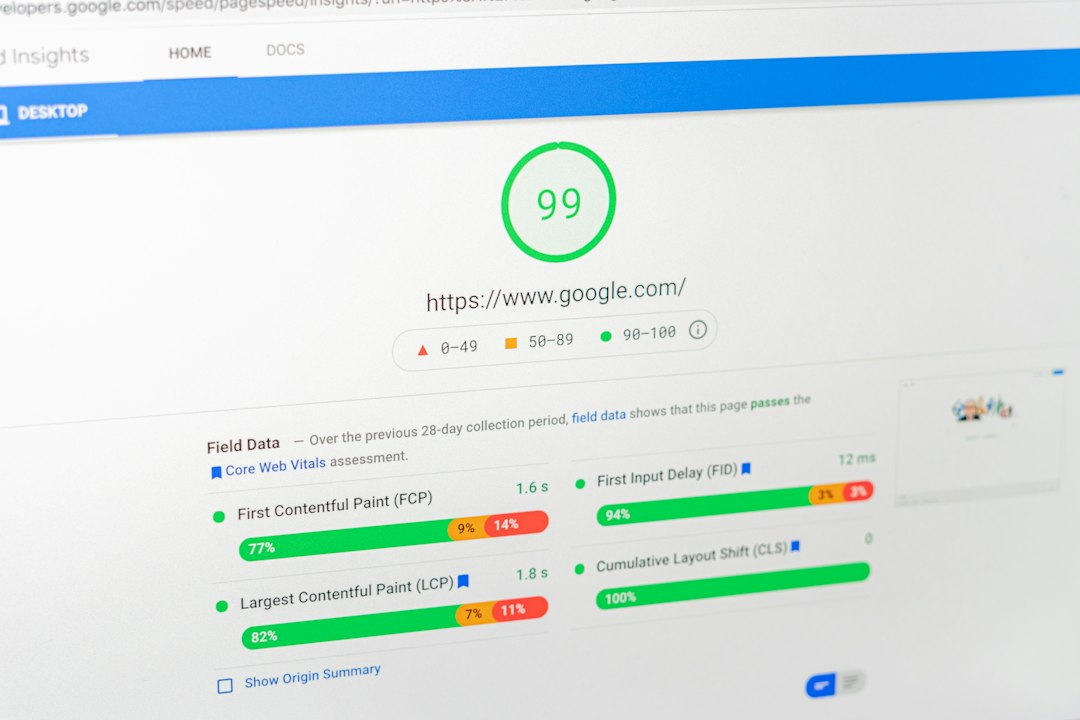
A fast AI social landing page helps people reach a real conversation before abandoning sign-up. HTTP 103 Early Hints can begin loading selected resources while a server prepares the final response, but its benefit must be measured against privacy and cache behavior. This is a test plan, not a promise of a particular speed percentage.
 admin
Putting a real-time AI avatar inside an iframe is not equivalent to giving the iframe unrestricted camera access. Browser permission prompts, origin-scoped delegation and runtime revocation form separate security boundaries. This runbook defines acceptance tests for teams embedding video experiences into a separate host application.
 admin
A version-safe AI chat autosave runbook using ETags, If-Match, HTTP 412 and explicit multi-device conflict recovery.
 admin
A voice turn crosses capture, transport, speech recognition, model orchestration, synthesis and playback. A single response-time chart hides which stage slowed
 admin
Passkeys reduce exposure to phished passwords, but an AI chat account can still be lost through device failure or an unsafe support reset. The following test plan distinguishes credenti
 admin
A practical engineering runbook for permission, service-worker subscription, privacy and recovery testing of AI chat web push.
 admin
An engineering runbook for streaming AI responses over Server-Sent Events, with replay boundaries, event IDs, Last-Event-ID and duplicate-safe reconnect testing.
 admin
Diagnose AI voice WebSocket stalls across proxies and mobile networks with a heartbeat design, six failure injections, idempotent recovery and measurable gates.
 admin
A practical architecture for cancellation of streamed AI chat replies: browser AbortController, readable-stream cleanup, backend job state, and billing reconciliation.
 admin
A practical Cloudflare Turnstile signup defense: server-side Siteverify, single-use token handling, idempotent account creation, failure tests and rollout safeguards.
 admin
How to design secure multilingual AI chat history search using MySQL FULLTEXT, CJK ngram tokenization and deterministic generated columns, with tested access boundaries.
 admin
AI chat services need strict ordering inside one conversation while keeping unrelated conversations parallel. This engineering runbook converts Amazon SQS FIFO semantics into a concrete implementation and failure-test plan for text, audio and video workflows. It also identifies the boundaries where queue guarantees end and application accountability must begin.
 admin
A MySQL 8.4 source-replica consistency runbook for AI chat event streams, with session read routing, GTID fences and visible recovery behavior.
 admin
How to test ICE restarts after Wi-Fi-to-cellular handoffs in real-time AI avatar calls without losing user intent or silently reactivating capture.
 admin
Use S3 Object Lock safely for AI video evidence with version IDs, governance-vs-compliance rules, legal holds, deletion ledgers and recovery drills.
 admin
When to use CloudFront signed cookies for AI video segments, how to protect S3 origins and test access expiry, rotation and revocation.
 admin
A reproducible MySQL backup and binary-log recovery drill for AI app metadata, including cutoff selection, checksums and safe isolation.
 admin
Size PHP-FPM pools for AI chat APIs using memory, worker occupancy, queue depth and safe overload tests instead of arbitrary max_children.
 admin
An engineering runbook for Flutter OAuth return flows, App Links, PKCE and cold-start chat navigation without token leakage.
 admin
A practical multilingual text migration runbook for PHP and MySQL, including index changes, connection settings and end-to-end round-trip tests.
 admin
A six-case access and retention test matrix for AI media downloads with S3 presigned URLs, token lifetimes, revocation and object versions.
 admin
An engineering runbook for safe AI media uploads: file signatures, bounded image decoding, quarantine, S3 checksums and verification tests.
 admin
A reliability runbook for AI creator event webhooks, with event IDs, ordering, signature checks, bounded retries, dead-letter queues and recovery drills.
 admin
A practical AI video pipeline integrity runbook distinguishing S3 multipart ETags from full-object checksums, with retry, failure and restore tests.
 admin
AI image and video platforms accumulate abandoned uploads, failed transformations and previews that are seldom accounted for in product analytics. S3 lifecycle management can reduce retained
 admin
Generated video, voice and image files pass through temporary storage stages that are easy to overlook during an AI product security review. Encryption at rest is necessary but not sufficien
 admin
A practical S3 conditional-write and artifact-ledger pattern for AI media workers, with 412/409 conflict handling, crash tests and publication checks.
 admin
An AI service may commit database state before triggering payments, video rendering or external agent actions. Concurrent workers can deadlock over the same job or account rows. MySQL docume
 admin
AI media pipelines move large input videos and generated clips across unreliable networks. Incomplete S3 multipart uploads are not finished objects, but their parts can still incur storage c
 admin
A practical AWS S3 event deduplication and object-version ledger for AI media processing, with failure injection and recovery tests.
 admin
Design a recoverable AI video generation pipeline by separating orchestrator delivery semantics from side-effect idempotency.
 admin
A transport-level test design for low-latency avatar reaction events, reliable control messages, buffering and recovery.
 admin
Trace a voice request through transport, transcription, inference and speech synthesis without logging sensitive user content.
 admin
Engineering circuit breakers for streaming AI: avoid mid-answer provider changes, bound retries and preserve accurate user-visible failure states.
 admin
A reproducible VAD and endpointing test plan for realtime AI voice: false starts, silence budgets, interruptions and speech turn completion.
 admin
Build safe versioned AI tool APIs with JSON Schema compatibility tests, idempotent retries, observable side effects and rollback gates.
 admin
A user-centered engineering protocol for microphone permission errors and accessible text fallback in real-time AI sessions.
 admin
A practical budget-ledger design for AI agents that limits tool execution, prices retries and prevents unbounded consumption across tenants.
 admin
An engineering playbook for bounding WebSocket buffers, regulating token streams and recovering slow AI chat clients without silent message loss.
 admin
Engineering design for AI prompt-cache keys, tenant permissions, model revision invalidation, cost accounting and cross-user data boundaries.
 admin
An engineering guide to WebRTC jitter budgets in real-time AI avatars, with network, synthesis, playback and user-perceived latency measurements.
 admin
A technical plan for RAG deletion guarantees across object storage, vector indexes, caches, logs and query paths.
 admin
An engineering framework for protecting interactive AI sessions from noisy neighboring tenants.
 admin
A measurable end-to-end plan for diagnosing clock drift and lip-sync failures in live AI digital-human calls.
 admin
Rotate AI agent credentials safely with versioned leases, bounded changeovers, tenant isolation, revocation tests and idempotent recovery.
 admin
Design usage billing for real-time AI voice calls with stable event IDs, interruption handling, retries, reconciliation and refund-safe accounting.
 admin
Prevent runaway AI-agent database queries with read-only roles, EXPLAIN plans, row caps, timeouts, cost estimates and auditable human approval.
 admin
Design a secure S3 presigned-upload workflow for AI video and avatar assets, including checksums, quarantine, authorization and safe publication.
 admin
How to evolve a conversational AI memory store without reviving deleted facts, breaking old sessions or losing provenance during schema migrations.
 admin
A practical telemetry design for AI agents: correlate tool calls, redact sensitive payloads, retain evidence and replay failures without collecting everything.
 admin
An engineering blueprint for realtime AI voice sessions that handles user interruption, playback truncation, transcript alignment and safe recovery.
 admin
Choose signed URLs or cookies for AI avatar clips, prevent private cache leakage, and test expiring video permissions with a practical CDN checklist.
 admin
A production-focused RDS Proxy checklist for bursty AI chat backends: pool limits, pinning, transaction scope, queueing, p95 latency and cost.
 admin
A practical WebRTC quality budget for real-time AI avatar video calls: RTP counters, turn-taking latency, recovery testing, and cost per successful conversation.
 admin
Measure actual AI application latency between Singapore and Japan by separating internet paths, backend response, streaming and user experience.
 admin
A practical idempotency and retry architecture for AI agent tool callbacks, queued webhooks, duplicate deliveries and external side effects.
 admin
A reproducible TURN relay cost and recovery model for realtime AI avatar calls, with candidate paths, relay ratio, capacity and error budgets.
 admin
An engineering method to keep live AI subtitles responsive when speech recognition emits messages faster than a client can render them.
 admin
A production engineering playbook for evolving AI agent tool contracts without silently breaking orchestrators or downstream services.
 admin
Instrument AI agent tool calls with trace spans, token attribution and safe error context without exposing prompts or user secrets.
 admin
Prevent AI media corruption in S3 with multipart checksums, idempotent recovery, versioned manifests and provenance boundaries.
 admin
Engineering adaptive WebRTC video for AI avatars: bitrate controls, graceful downgrades, frame timing and lip-sync instrumentation.
 admin
Design AI agent deadline propagation, nested timeout budgets, cancellation and idempotent retries across retrieval, LLM and tool calls.
 admin
An engineering runbook for preventing HTTP 429 throttling from multiplying AI tool calls, costs and latency across real-time multimodal agent systems.
 admin
Production engineering guidance for securing remote MCP servers with OAuth audience-bound access tokens, resource metadata, least privilege, tenant isolation and negative tests.
 admin
How to size and monitor TURN relays for live AI avatar video: ICE candidate selection, regional routing, bandwidth economics, authentication and reliable fallbacks.
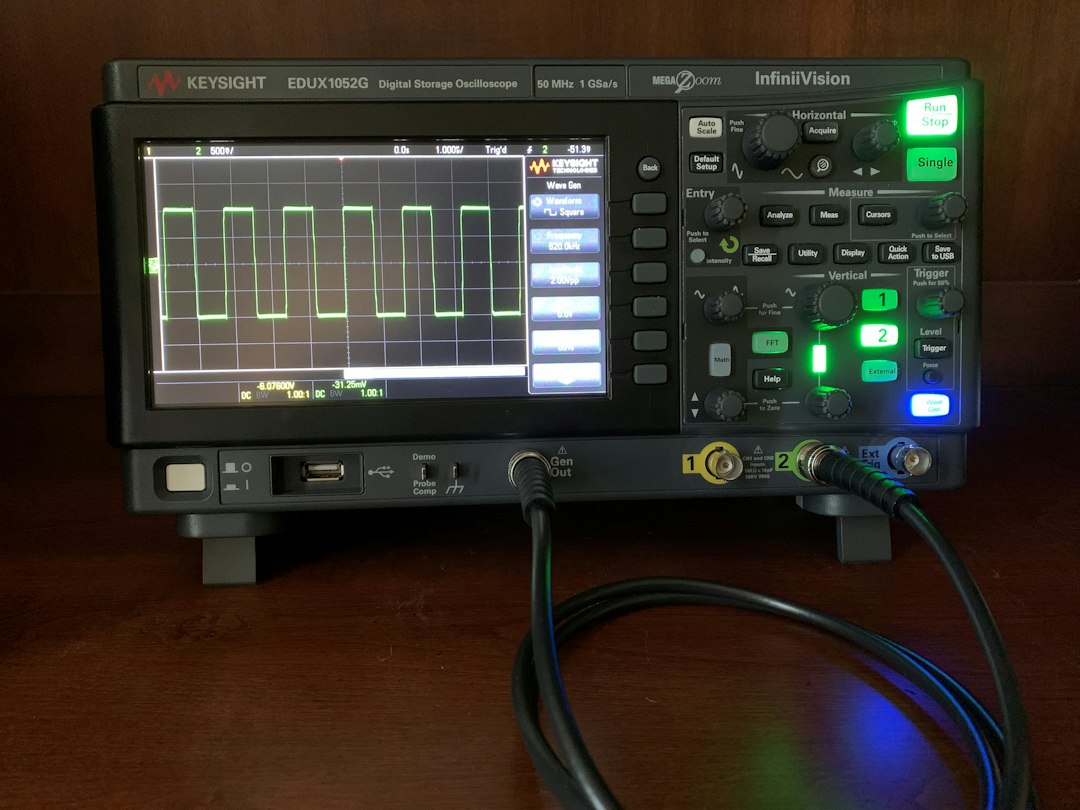 admin
Why real-time AI avatars lose lip sync even on good networks, and how to measure WebRTC jitter, rendering clocks, animation queues, and interruption recovery.
 admin
A defensive analysis of the October 2026 Tencent–Amap agent incident: containment, browser tools, evaluation design, network egress controls and audit logs.
 admin
A practical engineering guide to WebRTC jitter buffering, voice latency instrumentation, interruption state machines and reliable streaming AI conversations.
 admin
ServiceNow announced AI Passport on October 15, 2026. Here is a practical guide to agent identity, runtime authorization, scoped delegation, revocation, and rollout caveats.
 admin
A production checklist for Gemini 4 Argon migration, from context budgets and thinking levels to December price changes and rollback gates.
 admin
An engineering guide to defending document-grounded AI agents against prompt injection, from retrieval provenance and scoped tools to adversarial tests and incident response.
 admin
A practical architecture for AI agent tracing, idempotent tool actions, privacy-safe telemetry, replay tests and actionable reliability metrics.
 admin
A practical framework for testing multimodal AI streaming, including first-response latency, audio gaps, turn completion, retries and user-visible failures.
 admin
A practical guide to routing AI inference across regions, measuring latency, respecting data boundaries and avoiding unnecessary infrastructure duplication.

How AI agents can persist intended external actions before sending email, webhooks or transactions so retries do not duplicate side effects.

How AI teams can version prompts, labels, datasets and scoring rules so evaluation results remain comparable across releases.

How AI inference platforms can pause or evict lower-priority GPU work so voice, chat and real-time agents keep predictable latency.

How RAG systems can propagate deletions across source stores, chunks, vectors, summaries and caches instead of removing only the original file.

How AI agents can declare tool scopes, allowed actions and approval requirements in a machine-readable permission manifest.

How long-running AI agents can persist deterministic checkpoints so crashes and retries resume from known state instead of repeating work.

How AI systems can invalidate prompt and context caches when knowledge, policy, permissions or model versions change.

How AI services can protect latency and reliability by deciding which requests enter the system before queues become overloaded.

How to evaluate whether RAG answers cite enough supporting evidence, not just whether at least one citation appears somewhere in the response.

How AI agents can use short-lived credentials for tools and APIs so automation works without permanent secrets or unlimited account access.
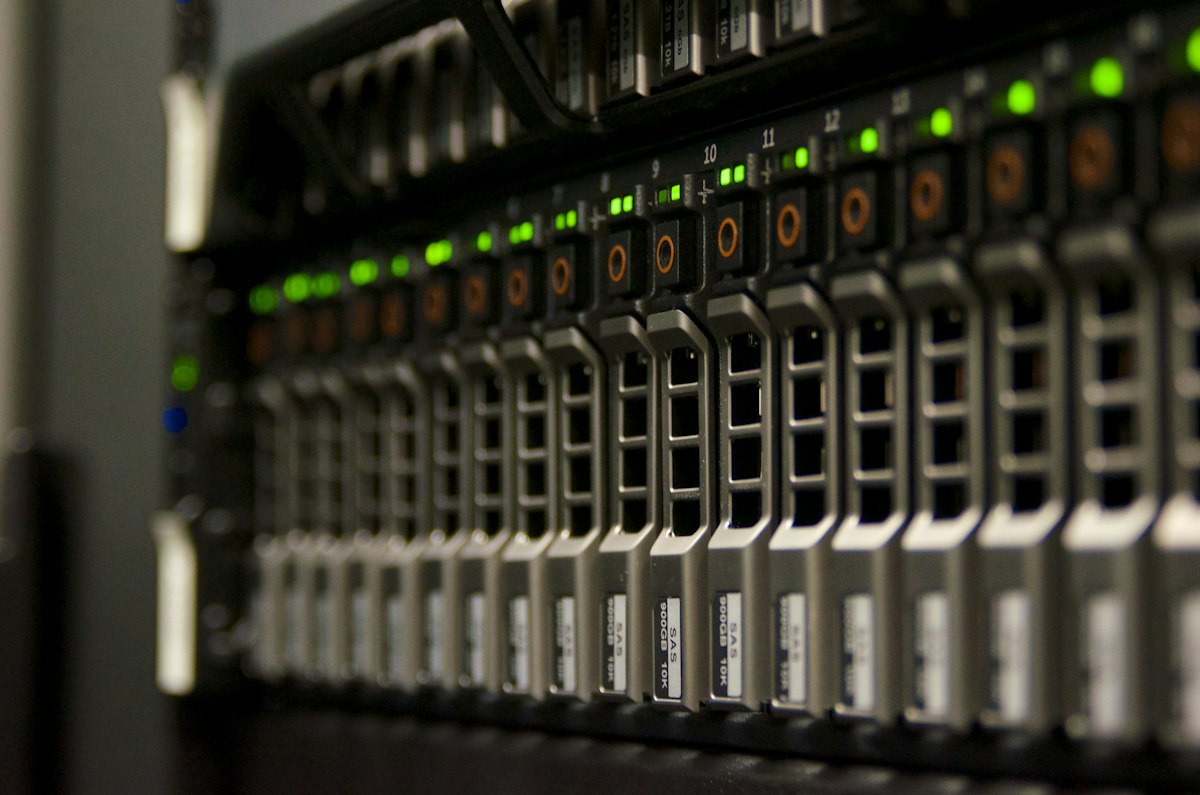
How AI services can use warm GPU pools, predictive scaling and workload tiers to reduce cold starts while controlling idle infrastructure cost.

How to sample AI agent traces for debugging, quality and safety when storing every prompt and tool event is too expensive or sensitive.

A practical framework for routing AI requests across cheaper and stronger models without silently lowering task quality.

How to detect duplicate and near-duplicate chunks so repeated documents do not crowd out diverse evidence in RAG retrieval.
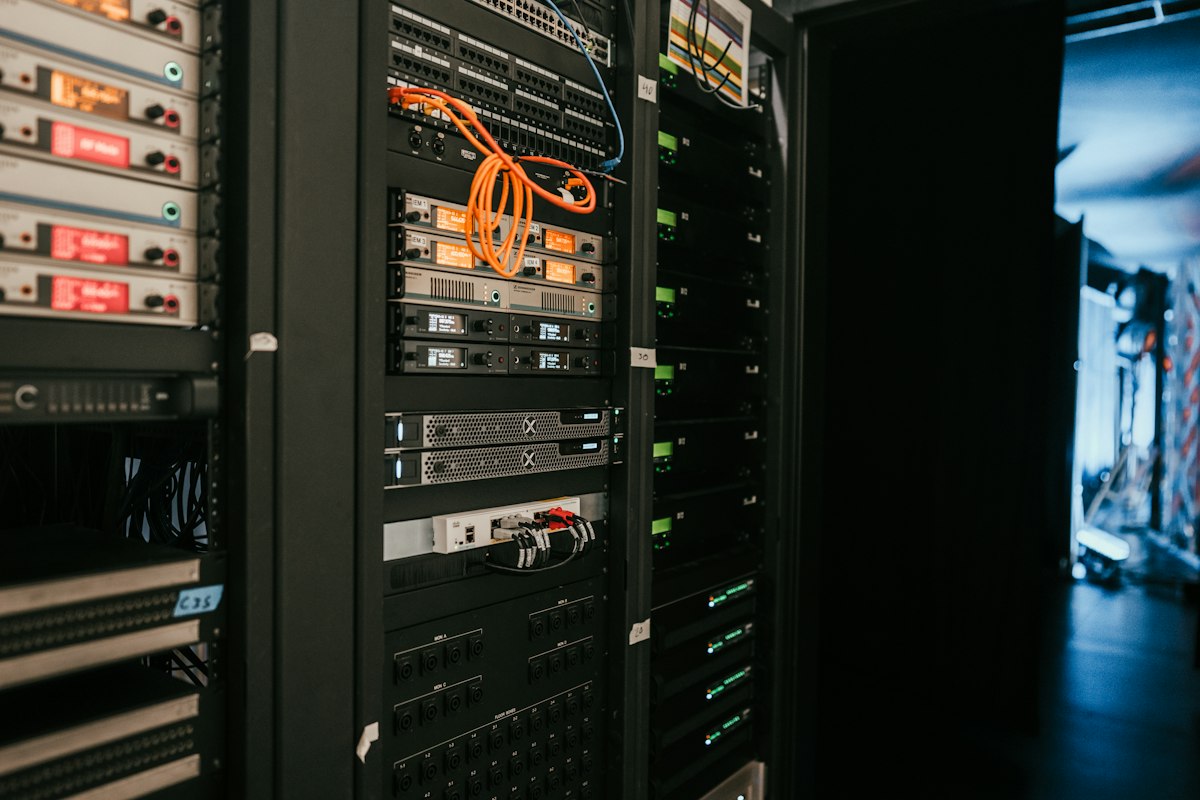
How to design human approval points for AI agents so high-risk actions stay controlled without turning every workflow into a manual queue.
How AI agents can retry failed workflows safely without duplicating payments, emails, records or other external side effects.
A release framework for detecting quality, safety, latency and tool-use drift when upgrading foundation models or provider versions.