
 admin
GPU Preemption for Mixed AI Workloads: Protecting Real-Time Traffic From Batch Jobs
How AI inference platforms can pause or evict lower-priority GPU work so voice, chat and real-time agents keep predictable latency.
How AI inference platforms can pause or evict lower-priority GPU work so voice, chat and real-time agents keep predictable latency.

How AI systems can invalidate prompt and context caches when knowledge, policy, permissions or model versions change.

How AI services can protect latency and reliability by deciding which requests enter the system before queues become overloaded.
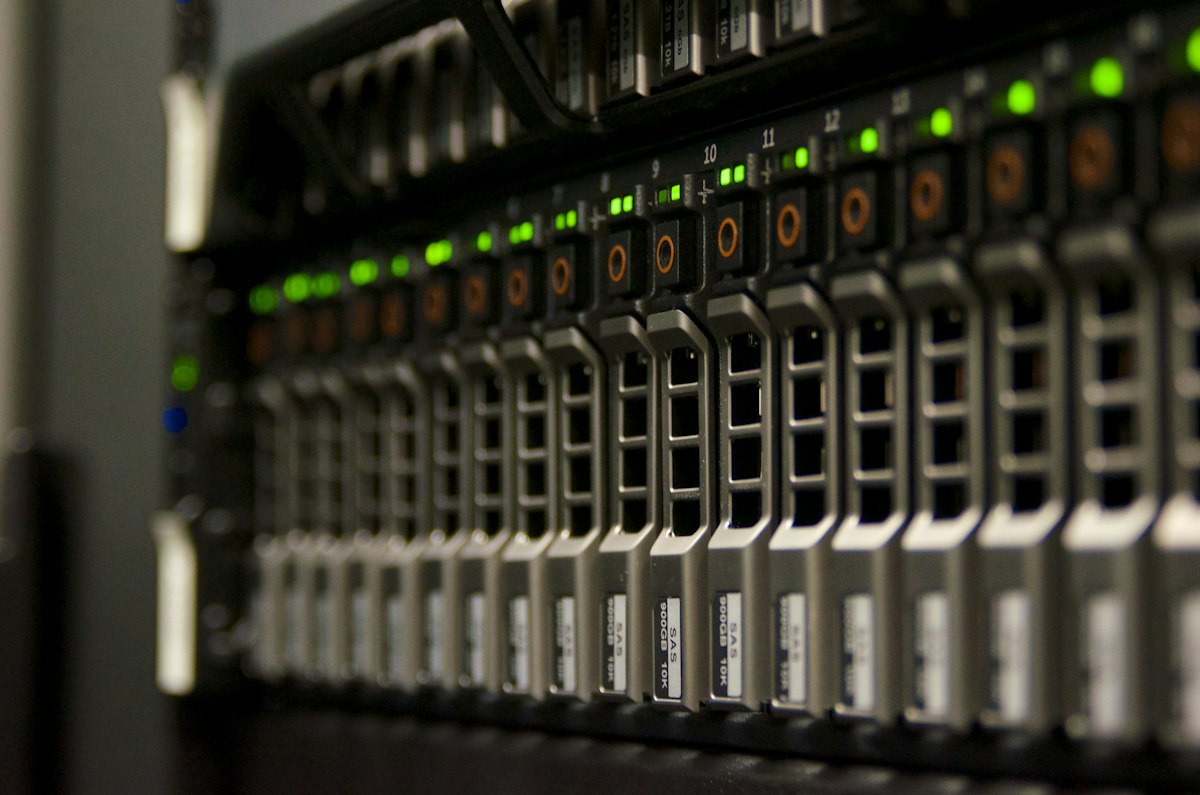
How AI services can use warm GPU pools, predictive scaling and workload tiers to reduce cold starts while controlling idle infrastructure cost.

A practical framework for routing AI requests across cheaper and stronger models without silently lowering task quality.
How multi-tenant AI services can use queue fairness, quotas and priority classes to protect latency when one customer creates a traffic spike.
How to balance batching, queueing and latency for text, voice, image and video inference workloads with very different real-time requirements.
How production AI teams can allocate token budgets across system prompts, retrieved context, tool output and conversation history without sacrificing quality.
How engineering and finance teams can attribute model, retrieval and tool costs to the product features that actually create them.
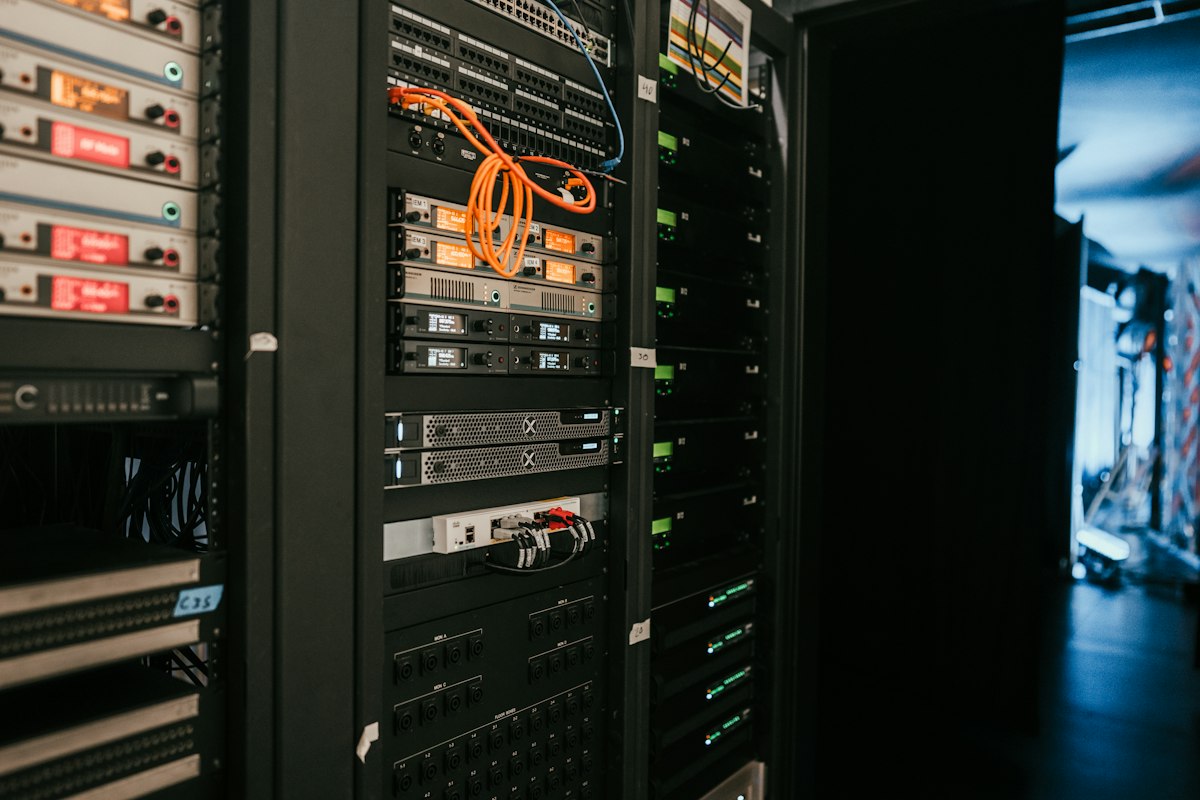
A capacity-planning guide for multimodal AI workloads where text, voice, image and video generation have different latency, memory and GPU utilization profiles.





