
admin
- 17 11 月, 2026
- 0 Comments
WebRTC Encoded Transforms for AI Avatar Calls: Key and Recovery Tests
Audit WebRTC encoded transforms for AI avatar calls, from media encryption boundaries and participant removal to worker recovery.
adminAudit WebRTC encoded transforms for AI avatar calls, from media encryption boundaries and participant removal to worker recovery.
 admin
How to reconcile interrupted AI media uploads without corrupting bytes, duplicating creator assets or ignoring authorization expiry.
 admin
A reproducible WebTransport engineering assessment for AI voice rather than an unmeasured promise of lower latency.
 admin
A six-stage engineering runbook for using Problem Details in AI chat APIs without leaking conversation data or inventing retry semantics.
 admin
Distinguish RFC 8305 dual-stack connection fallback from WebRTC media setup and streaming AI voice performance.
 admin
How to handle RFC 8470, TLS early data and 425 responses without duplicating AI chat turns, bills or tool calls.
 admin
Implement RFC 9530 Content-Digest and Repr-Digest safely for AI video uploads, media transformations and object storage.
 admin
HTTP/3 may improve some network paths for AI voice applications, but it does not turn an HTTP streaming endpoint into a real-time media engine. The engineering question is which failures QUIC can mitigate and which conversational semantics must still be designed in the application.
 admin
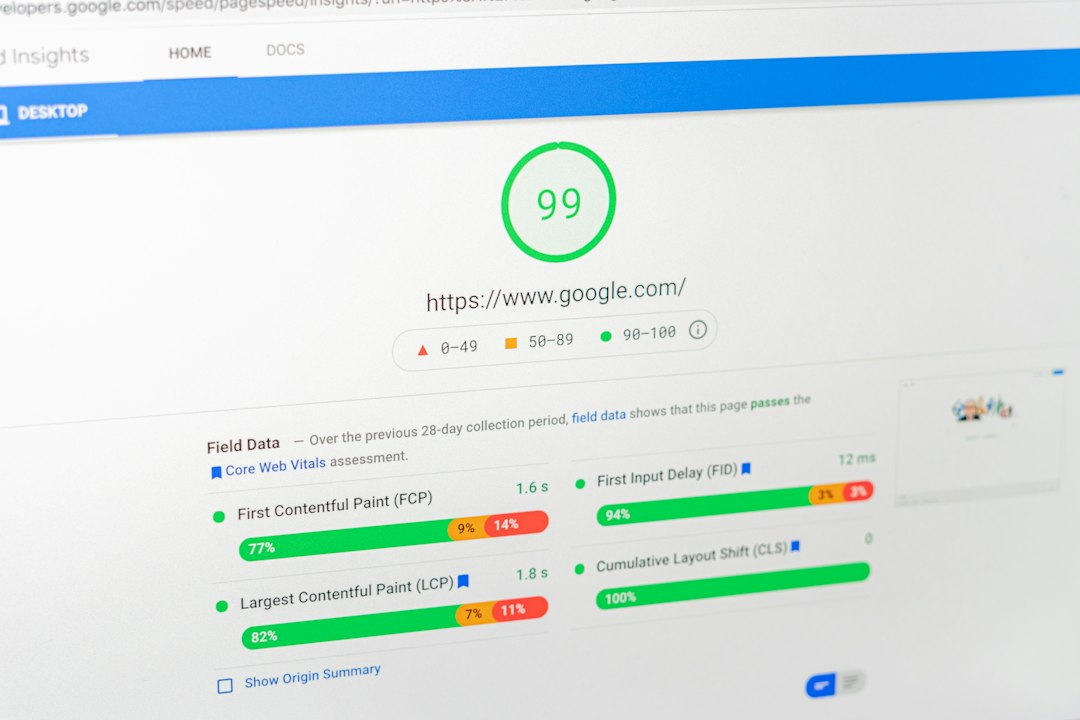
A fast AI social landing page helps people reach a real conversation before abandoning sign-up. HTTP 103 Early Hints can begin loading selected resources while a server prepares the final response, but its benefit must be measured against privacy and cache behavior. This is a test plan, not a promise of a particular speed percentage.
 admin
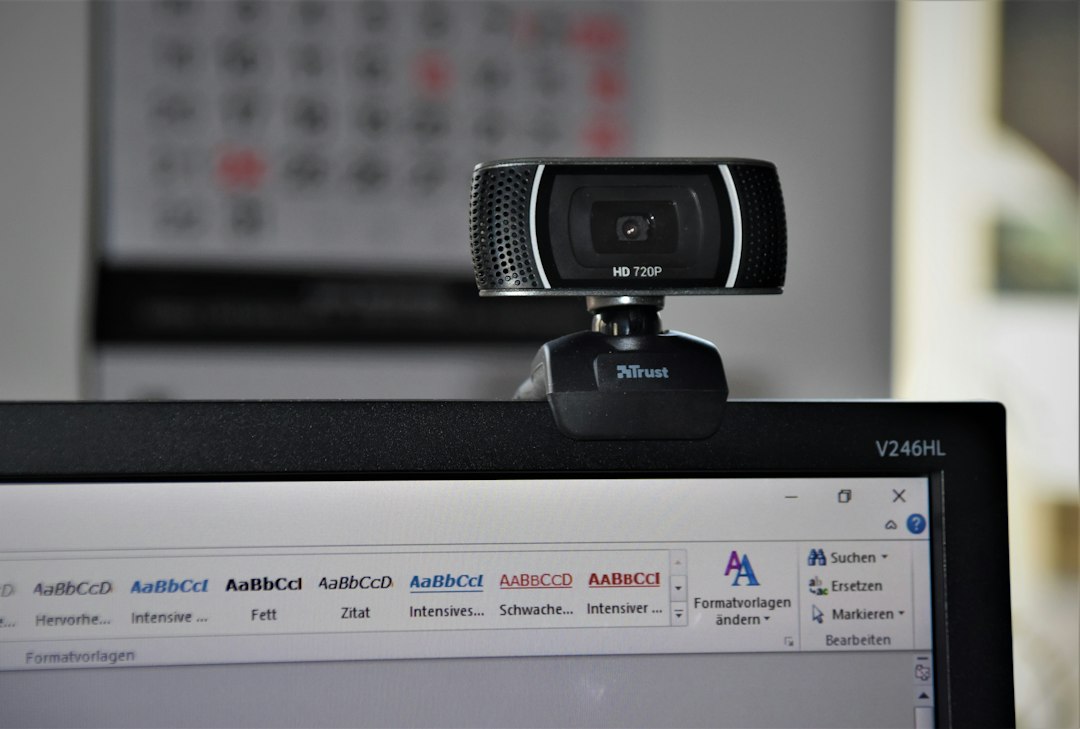
Putting a real-time AI avatar inside an iframe is not equivalent to giving the iframe unrestricted camera access. Browser permission prompts, origin-scoped delegation and runtime revocation form separate security boundaries. This runbook defines acceptance tests for teams embedding video experiences into a separate host application.