admin
A fast AI social landing page helps people reach a real conversation before abandoning sign-up. HTTP 103 Early Hints can begin loading selected resources while a server prepares the final response, but its benefit must be measured against privacy and cache behavior. This is a test plan, not a promise of a particular speed percentage.
Understand which response is a hint and which is final
HTTP 103 is an informational response sent before the final HTTP response, not an alternate page response. The browser may use early Link headers to preconnect or preload assets, then still receives the final status and content. The MDN reference for 103 Early Hints describes that relationship and notes compatibility considerations for HTTP/2 or newer. Draw the critical path of an AI app’s first visit: DNS and TLS, initial HTML response, CSS, logo or hero media, JavaScript needed for sign-in, and deferred avatar previews. Early hints are useful only when a resource is required early and its destination can safely be disclosed before the final page decision. Preloading a large autoplay video or speculative third-party tracking asset may compete with critical CSS. Identify the page’s actual largest contentful element rather than inferring it from the design mockup.
Choose preload candidates with real request evidence
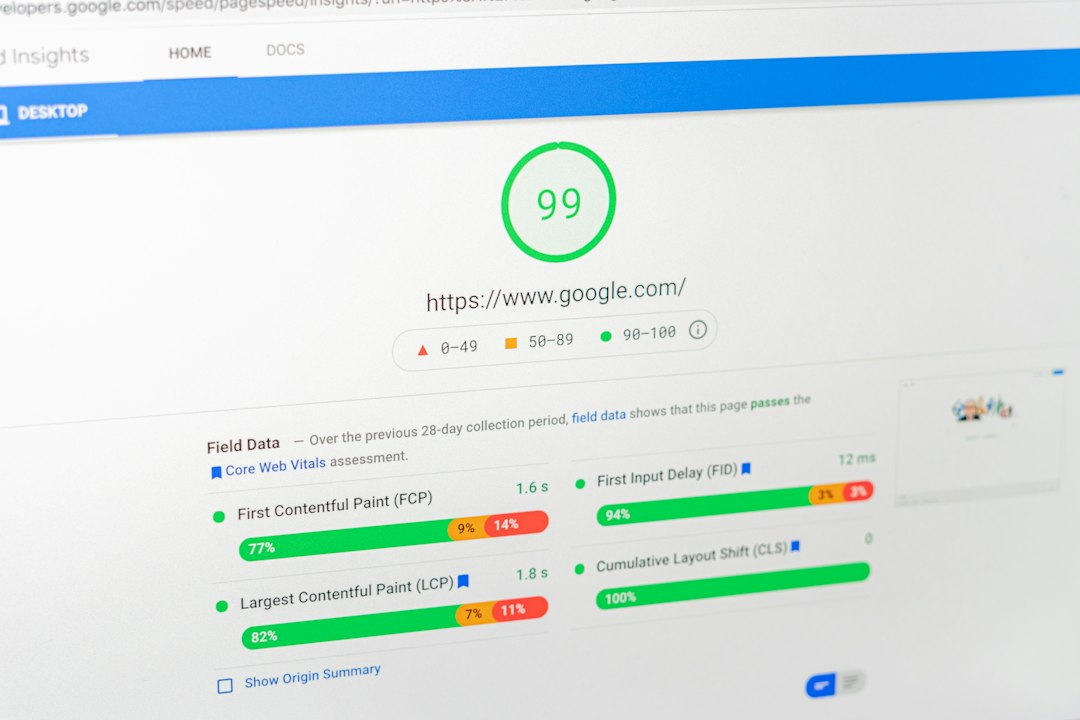
Inspect a network waterfall from a fresh cache and then from a warm cache. Select assets shared across many anonymous visitors, such as the critical stylesheet or a static font, provided they are reliably requested by the final HTML. For a hypothetical page, suppose the server spends 350 milliseconds preparing HTML and the browser needs 180 milliseconds to connect and fetch a critical stylesheet. A hint may overlap part of that wait; simply subtracting 180 milliseconds from total load time would be wrong because other work overlaps too. Record individual resource start times and actual LCP or similar user-visible outcomes in a controlled test. Keep the candidate list short and use matching resource type and crossorigin attributes. A mismatched preload can cause a duplicate download, offsetting the hoped-for benefit. Review the final HTML after release so hinted assets do not become stale when a bundle changes.
Check CDN generation and status-code behavior
The Cloudflare Early Hints documentation, updated September 17, 2026, states that its implementation can cache Link hints for eligible HTML responses and emit 103 ahead of the final origin response. It also documents limitations tied to response types and browser support. Do not assume every path or redirect gets a hint just because a dashboard toggle is enabled. Build fixture pages for a normal 200, a legitimate redirect, a missing page and an authenticated page. Observe the full header sequence through the CDN rather than only through the origin. Distinguish Cloudflare’s internal early-hints cache logs from end-user errors. This matters during incident analysis: an internal 504 cache lookup is not automatically evidence that a visitor received a broken page. A release report should state which layer emitted the hint and whether clients actually used it.
Prevent protected routes from leaking resource choices
Early hints may be sent before authentication or authorization has finished. A cached Link header that names a private asset or an account-specific path can therefore reveal information even when the eventual response is 403. Keep resource hints on authenticated routes generic, public and non-identifying; a safer default may be no hints at all until access rules are understood. Test an anonymous visitor against pages requiring login and against a route for another customer. The visitor must not learn private file identifiers, profile names or tenant-specific URLs from a 103 response. Recheck query-string behavior and cache-key configuration because a CDN may handle cached hints differently from full HTML. Avoid sending signed download URLs in an early response: expiration and visibility rules are harder to reason about when caches store references. Use a header capture with private values redacted and define an explicit negative assertion for information leakage.
Run an experiment that does not fake speed gains
Create two controlled variants with identical page content: hints disabled and hints enabled. Randomize traffic only if experiment policy and traffic scale permit; otherwise run repeated synthetic measurements from a fixed network profile. Report sample sizes, medians and percentiles rather than a single dramatic screenshot. Separate cold-cache and warm-cache results. Record connection type, device class, geographic test location, whether the preloaded resource was reused and whether the final page rendered correctly. A few milliseconds can be ordinary noise in the lab. If the result does not consistently improve a meaningful metric, remove the hint and document why. Treat preconnect carefully: opening an early connection to a third party can expose network metadata before the visitor chooses to interact with that party. Performance cannot be assessed independently from privacy design. Analyze whether the site really needed the selected resource.
Define rollback when the dependency graph changes
AI apps often change landing pages rapidly, moving from an image to a promotional video or from a static sign-up form to an interactive demonstration. Those revisions can invalidate yesterday’s preload list. Make Early Hints deployment a feature flag with a known rollback owner. Add an automated check that every hinted asset still exists, is public, has the expected MIME type and appears on the relevant final page. Watch for duplicate request patterns, unexpected cross-origin preconnects, authentication leaks, LCP regressions and large downloads on mobile data. Re-test after CDN migrations or major browser changes. A positive result is a reproducible faster first experience without broken navigation or premature exposure of private URLs—not the mere presence of HTTP 103 in a response trace. Document results after each controlled rollout window.