
 admin
RAG Citation Completeness: Measuring Whether Every Important Claim Has Evidence
How to evaluate whether RAG answers cite enough supporting evidence, not just whether at least one citation appears somewhere in the response.
How to evaluate whether RAG answers cite enough supporting evidence, not just whether at least one citation appears somewhere in the response.

How AI agents can use short-lived credentials for tools and APIs so automation works without permanent secrets or unlimited account access.
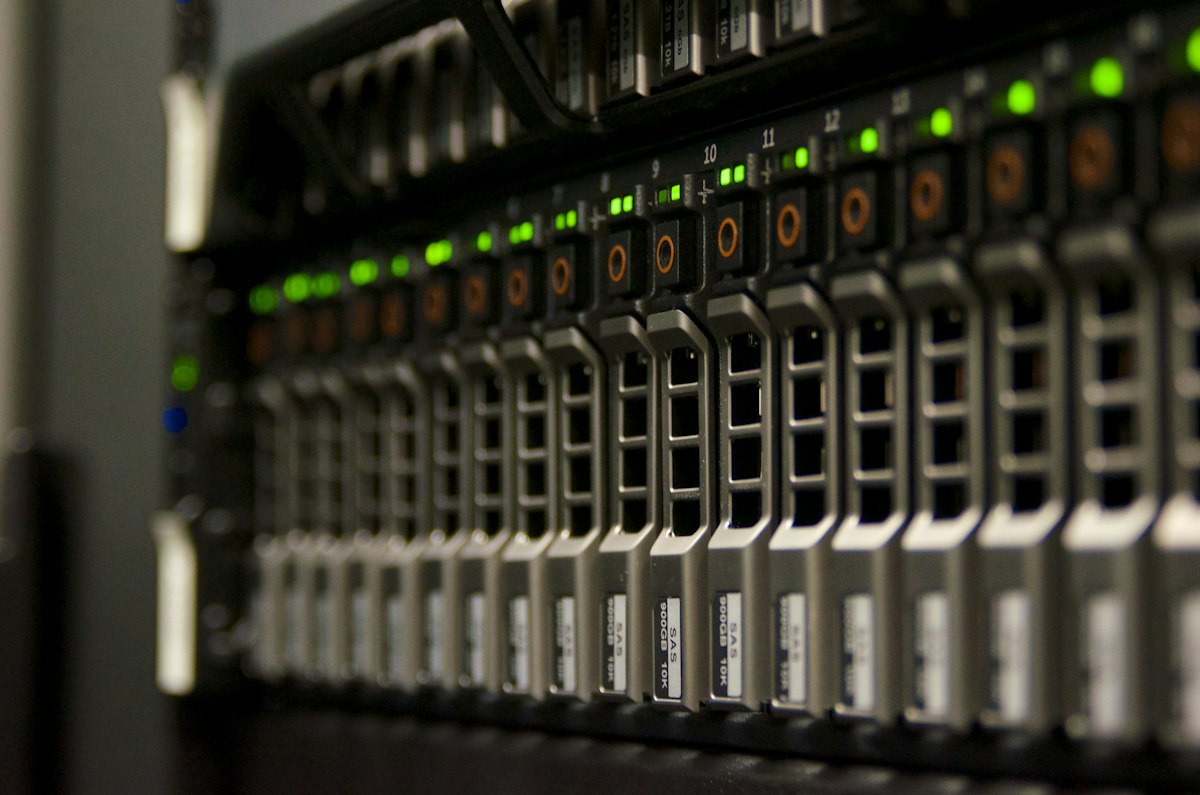
How AI services can use warm GPU pools, predictive scaling and workload tiers to reduce cold starts while controlling idle infrastructure cost.

How to sample AI agent traces for debugging, quality and safety when storing every prompt and tool event is too expensive or sensitive.

A practical framework for routing AI requests across cheaper and stronger models without silently lowering task quality.

How to detect duplicate and near-duplicate chunks so repeated documents do not crowd out diverse evidence in RAG retrieval.

How to design human approval points for AI agents so high-risk actions stay controlled without turning every workflow into a manual queue.
How AI agents can retry failed workflows safely without duplicating payments, emails, records or other external side effects.
A release framework for detecting quality, safety, latency and tool-use drift when upgrading foundation models or provider versions.
How multi-tenant AI services can use queue fairness, quotas and priority classes to protect latency when one customer creates a traffic spike.





