Alice
Alice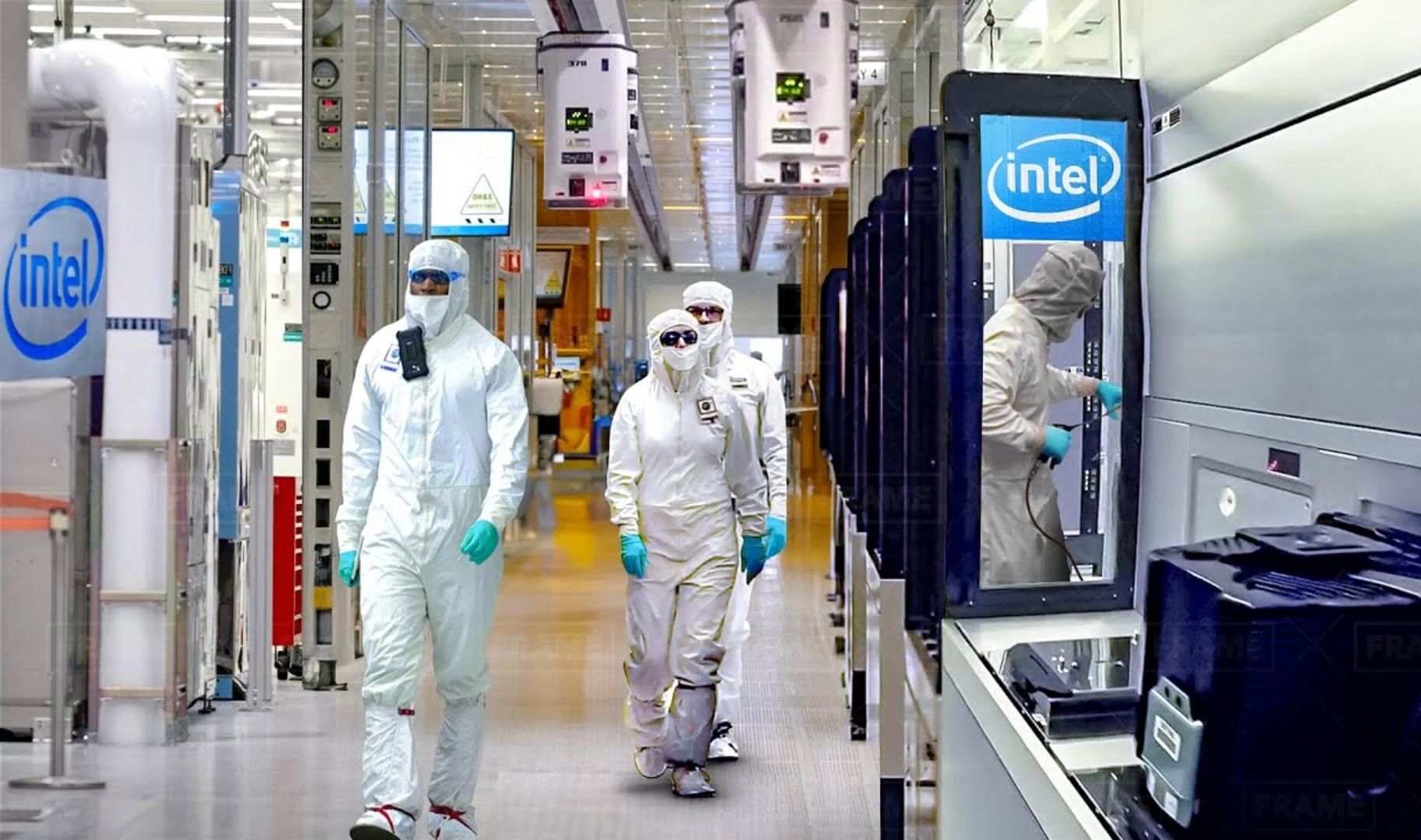
Over the past few years, Intel has been striving to enhance the competitiveness of its foundry business, but with limited success. So far, it has yet to secure large-scale, stable external orders and has remained in the red for an extended period. While Intel lags significantly behind TSMC in logic chip manufacturing, advanced packaging technology appears to be a more promising area for breakthrough.
According to Wccftech, the industry’s demand for powerful computing solutions is growing faster than what Moore’s Law alone can deliver. As a result, many chip design firms have turned to advanced packaging technologies — essentially integrating multiple smaller chips (chiplets) within a single package to increase chip density and overall platform performance. This has made advanced packaging an indispensable part of the supply chain. For years, TSMC, the world’s largest contract chipmaker, has dominated this field.
However, recent developments suggest that this landscape might be shifting.
Both Apple and Qualcomm have recently posted job listings that indicate they are seeking professionals with expertise in Intel’s EMIB (Embedded Multi-Die Interconnect Bridge) advanced packaging technology. Apple is looking for a DRAM packaging engineer, while Qualcomm is hiring a product management director for its data center business unit.
EMIB, introduced by Intel in 2017, was the industry’s first 2.5D embedded bridge solution. It uses small embedded silicon bridges to connect multiple chiplets within a single package, eliminating the need for large interposers. Building on EMIB, Intel has also developed Foveros Direct, a 3D packaging technology that enables stacking of chips through Through-Silicon Vias (TSVs) on a base die.
Currently, TSMC’s advanced packaging capacity is facing supply bottlenecks due to high demand from major clients like NVIDIA. The company is struggling to expand production quickly enough to meet market needs, resulting in lower priority for some newer customers who may need to explore alternative options.
While these job postings do not necessarily mean that Apple or Qualcomm will place orders with Intel anytime soon, they do signal growing industry interest in Intel’s advanced packaging solutions. This suggests that there may be potential customers open to exploring alternatives beyond TSMC, especially as demand continues to outpace supply in the advanced packaging space.